
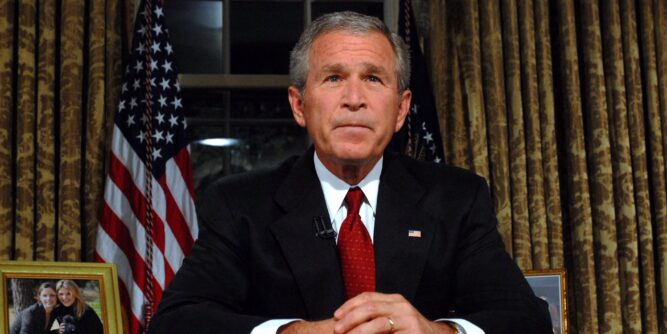
Recent polling data suggests a noticeable decline in President Donald Trump’s approval ratings, raising concerns among political analysts about a possible deepening crisis in public support. Several new national surveys released this week indicate that Trump’s approval has fallen into the mid-30 percent range, marking one of the weakest phases of his current term.
A Reuters-Ipsos poll places his approval at 36%, while a Strength in Numbers-Verasight survey shows 35%. Another poll conducted by AP-NORC reports an approval rating of 33%. These findings follow an earlier NBC survey that recorded Trump at 37%, already considered a new low for his administration. When combined, recent polling trends show that most major surveys now consistently place his approval in the 30s.
DECLINING PUBLIC CONFIDENCE AND RISING DISAPPROVAL
Alongside falling approval, Trump’s disapproval ratings have surged to unusually high levels. Analysts reviewing aggregated polling data note that around 62% of Americans currently disapprove of his performance. This marks one of the highest average disapproval levels seen in modern U.S. presidential politics.
Historically, Trump has experienced similar levels of public dissatisfaction during key moments of his political career, including his first year in office and the aftermath of the January 6 Capitol events. However, the current trend appears more sustained, with fewer signs of recovery compared to earlier periods.
Even individual polls that show slightly better results for Trump still reflect a downward shift compared to previous years. In some cases, his approval ratings are the lowest recorded since 2017, suggesting a long-term erosion of support rather than a temporary dip.
STEADY DOWNWARD TREND IN SECOND TERM
Unlike his first presidential term, where approval ratings fluctuated but remained relatively stable overall, Trump’s second term has been marked by a gradual but consistent decline. Analysts note that instead of sharp spikes or recoveries, the trendline has moved steadily downward over time.
This ongoing drop in support appears to have been influenced by multiple factors, including public dissatisfaction with economic conditions and international developments. Observers point out that recent global tensions, particularly involving Iran, have added further pressure on the administration’s public standing.
While Trump previously maintained stronger support even during politically difficult periods, current polling suggests that some voter groups who previously backed him are now expressing uncertainty or disapproval.
ECONOMIC CONCERNS AND POLICY CRITICISM
One of the most significant areas of concern for voters appears to be the economy. Several recent surveys indicate that Trump’s economic approval ratings have reached new lows, with some polls placing it near 30%. Inflation remains a major issue, with a large majority of respondents expressing dissatisfaction with how rising prices are being handled.
Economic concerns have been further amplified by rising fuel costs and global instability, which critics link to ongoing international tensions. Inflation, in particular, continues to rank as one of the most negatively viewed aspects of his presidency, with disapproval levels frequently exceeding 70% in multiple surveys.
In addition, public opinion on foreign policy decisions, especially related to Iran, has also weakened. Around two-thirds of respondents in some polls say they disapprove of the administration’s handling of recent international conflicts, suggesting that foreign policy is becoming another point of public frustration.
POLITICAL OUTLOOK AND HISTORICAL COMPARISONS
With approval ratings now consistently in the 30s, Trump finds himself in politically challenging territory similar to that experienced by a few previous presidents during periods of crisis. Such low approval levels are often associated with reduced political influence and increased difficulty in advancing policy agendas.
While political fortunes can shift rapidly, analysts caution that sustained low ratings could signal deeper public dissatisfaction. Whether this trend continues or reverses may depend on future economic performance, international developments, and domestic policy decisions in the months ahead.


